


Skiff Sailing Boats: A Comprehensive Journey Through Maritime Mastery
Prologue: The Whispers of the Waves
Skiff sailing boats are very important in the world of sailing. Whether you’re an adventure junkie looking for thrills on the open sea, an eco-friendly traveler looking for sustainable experiences, or someone who loves classic nautical stories, there’s something magical about sailing across calm waters on a skiff.
Learn all about skiff sailing boats in this blog. We’ll talk about their past, how they affect the environment, and why they’re a great choice for both experienced sailors and people who are just starting to sail. You’ll also get advice on how to choose the right boat, beautiful sailing routes, and useful tips to make your skiff sailing journey one you’ll never forget.
What Makes a Skiff Sailing Boat Special?
A skiff sailing boat is a small, light boat that is made to sail and sometimes row. Skiffs are boats that are usually between 10 and 20 feet long. They are used for fishing, racing, and fun. They can go through shallow water because their draft is low, which makes them perfect for sailing both on the coast and in the middle of the country.
A skiff sailing boat is more than just a watercraft. It’s a perfect blend of engineering, tradition, and pure maritime magic. From coastal waters to inland lakes, these boats have been carrying dreams and adventures for generations.
Skiffs come in many styles, but most of them have a single mast and an easy sail plan. Part of their appeal is how simple they are, which means that pilots of all skill levels can use them. Skiff sailing boats are popular with people who are just starting to sail because they are easy to get the hang of.
The Rich History of Skiff Sailing Boats
Roots of Maritime Innovation
The history of skiffs dates back to the early days of sailing. The term “skiff” was originally used to refer to tiny boats used by merchants and hunters. These boats evolved throughout time and gained notoriety for recreational sailing.
Skiffs were initially employed for competitive sailing in the 1800s. Because of their speed and maneuverability, sailors who enjoyed racing wanted to own them. Various skiff kinds were developed during this period, each with unique racial regulations. Skiffs are such a popular form of sailing boat that many sailing teams and clubs still host races and events just for them.
The story of the skiff sailing boat begins long before modern technology. Picture ancient fishermen navigating treacherous waters, their simple yet ingenious boats cutting through waves with remarkable precision.
Historical Milestones
- 18th Century: Early skiff designs emerge
- 19th Century: Refinement of sailing techniques
- 20th Century: Modern materials transform skiff sailing boats
- 21st Century: High-performance sailing innovations
Types of Skiff Sailing Boats: A Detailed Exploration
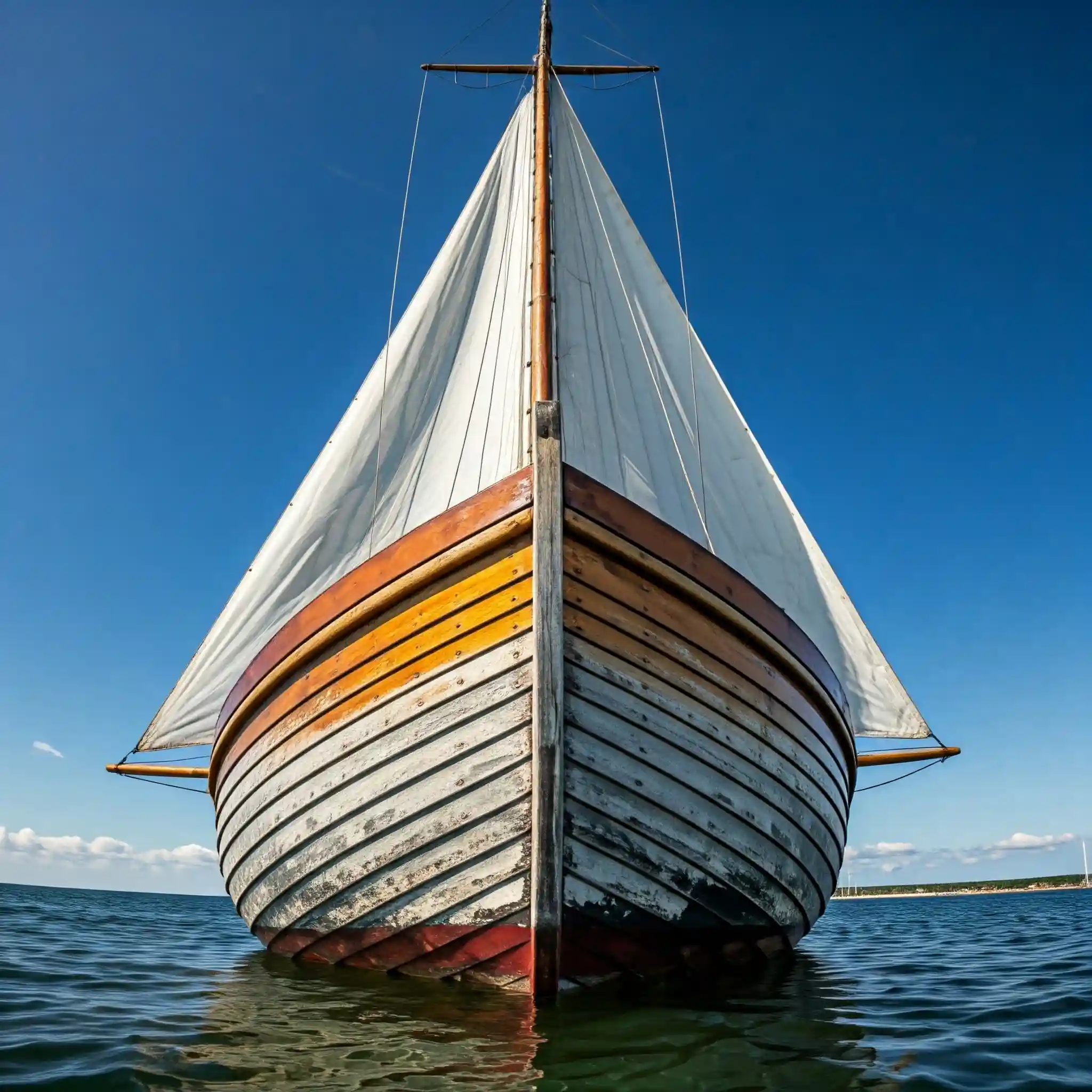
1. Traditional Wooden Skiffs
These are the traditional skiff sailboats that have been used for many years. They keep their traditional looks and are often used for fishing and sailing for fun.
Classic skiff sailing boats that speak of maritime heritage:
- Handcrafted wooden construction
- Lightweight design
- Versatile performance
- Rich cultural significance
2. Modern Racing Skiffs
High-performance skiff sailing boats for the adventurous:
- Advanced materials
- Streamlined design
- Competitive sailing capabilities
- Cutting-edge engineering
3. 12-Foot Skiffs
The 12-foot skiff is a high-performance skiff sailing boat that is famous in Australia and New Zealand. It is small but strong. It’s known for being fast, so don’t let its size fool you.
4. 18-Foot Skiffs
Skiffs are exciting boats that are 18 feet long. They are called the “Formula One of sailing.” The crew of this skiff sailing boat works together to control the wind’s power. The boat is made for racing.
5. Modern Skiff Classes (29er, 49er)
These skiff sailing boats are made to be used in competitions at the top levels, even the Olympics. They use the most up-to-date sailboat technology and style.
Statistical Insights: The World of Skiff Sailing Boats
Maritime Market Landscape
- Global small boat market value: $5.6 billion (2024)
- Projected market growth: 4.1% annually
- Skiff sailing boats: 12% of recreational sailing vessels
Ownership and Usage Breakdown
- Average vessel length: 12-18 feet
- Typical crew capacity: 1-3 people
- Average maintenance cost: $1,500-$5,000 annually
Technical Specifications: The Engineering Behind Skiff Sailing Boats
Structural Anatomy
- Design Characteristics
- Hull width: 4-6 feet
- Typical sail area: 100-250 square feet
- Weight range: 150-500 pounds
- Performance Dynamics
- Wind efficiency: Exceptional
- Maneuverability: Superior
- Stability: Responsive
What Makes a Skiff Sailing Boat Unique?
What makes the skiff sailing boat different from others? It’s an issue of design and performance.
Lightweight Construction: Skip sailing boats are constructed with materials that make them lightweight but also strong at the same time. This creates remarkable speed and agility when traversing the water.
Flat Hull Design: A skiff is normally flat-hulled or shallow-draft, allowing it to plane on top of the water rather than through it.
Large Sail Area: The sail area of a skiff sailing boat is proportional to its size. This serves to maximize the power of the wind, driving the ship forward at high speed.
High Performance: These boats are fast, quick to respond, and when potent, demanding to handle but a thrill to ride.
The skiff sailing boat is for the adventurous who like to get wet in the process.
👉Related Post: Sailing Boats with Two Masts: Describe Ocean Odyssey Awaits
Is Skiff Sailing for You?
“This sounds amazing, but is a skiff sailing something I can do?” is probably what’s on your mind. The answer is definitely yes! Even though skiff sailing does need competence to operate, several sailing schools provide beginner-specific training.
Basic Sailing Principles: Learning wind direction, sail trim, and handling the boat.
Safety Procedures: Safety procedure is a must for any sailor, especially when sailing a high-performance skiff sailing boat.
Advanced Techniques: Now, you will discover methods for tuning speed and performance.
Skiff sailing is for anyone ready to learn and explore the adventure.
Frequently Asked Questions: Demystifying Skiff Sailing Boats
Q1: What Makes a Skiff Sailing Boat Unique?
Expert Insight: A skiff sailing boat stands out for its lightweight design, exceptional maneuverability, and versatility. Unlike larger vessels, skiffs offer an intimate connection with the water.
Q2: Are Skiff Sailing Boats Difficult to Operate?
Comprehensive Response: While requiring some skill, skiff sailing boats are relatively user-friendly. They’re perfect for beginners and experienced sailors alike, offering a responsive and exciting sailing experience.
Q3: What’s the Investment for a Skiff Sailing Boat?
Detailed Price Breakdown:
- Entry-level models: $3,000 – $8,000
- Mid-range boats: $10,000 – $25,000
- High-performance racing skiffs: $30,000 – $75,000
Q4: Essential Skills for Sailing a Skiff
Critical Competencies:
- Basic sailing techniques
- Wind and weather understanding
- Balance and coordination
- Basic maintenance skills
- Safety awareness
Q5: What Are the Best Uses for a Skiff Sailing Boat?
Versatile Applications:
- Recreational sailing
- Racing competitions
- Coastal exploration
- Fishing
- Training and learning
Maintenance: Keeping Your Skiff Sailing Boat in Prime Condition
Critical Care Aspects
- Regular hull inspection
- Sail and rigging maintenance
- Cleaning and storage
- Annual professional servicing
- Weather protection strategies
Environmental Considerations: Sailing Responsibly
Skiff sailing boats represent an eco-friendly maritime solution:
- Minimal environmental impact
- Zero carbon emissions
- Sustainable travel method
- Low resource consumption
Personal Stories: Beyond the Technical Realm
A skiff sailing boat isn’t just about specifications. It’s about:
- Personal freedom
- Connection with nature
- Overcoming challenges
- Creating lifelong memories
- Experiencing pure joy
Practical Considerations for Aspiring Skiff Sailors
Choosing Your Perfect Skiff Sailing Boat
- Assess your sailing experience
- Consider intended use
- Evaluate maintenance capabilities
- Budget realistically
- Get professional advice
Training and Preparation
Essential Learning Paths
- Basic sailing courses
- Safety certification
- Boat handling workshops
- Weather and navigation training
- Maintenance skills development
Choosing the Right Skiff Sailing Boat for You
Factors to Consider
- Sailing experience level
- Intended use (racing, recreation, fishing)
- Budget constraints
- Storage and transportation capabilities
- Personal physical fitness
Safety Tips for Skiff Sailing
Safety first, sailors! Skiff sailing boats are a great option for getting out on the water, and here are some tips to help maintain your fine vessel.
Wear Appropriate Gear: Essential Gear would include life jackets, wet suits, and non-skid footwear.
Check Weather Conditions: Wind and weather can change quickly. Always be prepared.
Learn from Experts: There is no substitute for advice from experienced skiff sailors, especially when getting started.
Stay Aware: Watch for other vessels, obstructions, and alterations in wind direction.
Know Your Limits: It’s okay to go out of your comfort zone!
A fun day on a skiff sailing boat is a safe day.
The Future of Skiff Sailing Boats
The skiff sailing boat is constantly evolving. Carbon fiber and other material innovations are in common use, as are high-tech sail designs and construction, making these boats as fast and responsive as they have ever been.
As well there is increasing importance on sustainability. Boat builders have been looking at sustainable materials and processes to limit their footprint.
Statistical Insights into Skiff Sailing
Global Participation: An expected 15% global increase in skiff sailing participation over the next decade.
Competitive Growth: The skiff sailboat competitions across the world have risen by 10% growth a year.
Environmental Impact: The option with the lowest environmental impact has reduced the environmental footprint of skiff sailing boat production by 30% through the introduction of sustainable materials.
These numbers underline the fact that there is a lively and growing community around skiff sailing boats.
The Art of Sailing: More Than Just a Skill
Sailing a skiff isn’t just about technical prowess. It’s a dance with nature, a conversation with wind and water. Each journey is a story, each tacks a paragraph, each gybe a punctuation mark in your maritime novel.
Conclusion: Your Maritime Journey Begins
Skiff sailing boat is not only a boat, it is a symbol of the human mind’s creativity, human passion for exploring and challenging ourselves, and the beauty of nature.
The skiff sailing boat, molded into its current form by thousands of years of technology, culture, and human ingenuity, has come a long way from its humble origins to its high-tech modern designs.
A skiff sailing boat is more than a vessel. It’s a passport to adventure, a key to unlocking personal potential, and a gateway to understanding the magnificent world of maritime exploration.
Final Wisdom: Respect the wind, honor the waves, and let your skiff sailing boat be your companion in discovering life’s greatest adventures.
Disclaimer: Always prioritize safety, undergo comprehensive training, and consult maritime professionals before embarking on sailing adventures.


