

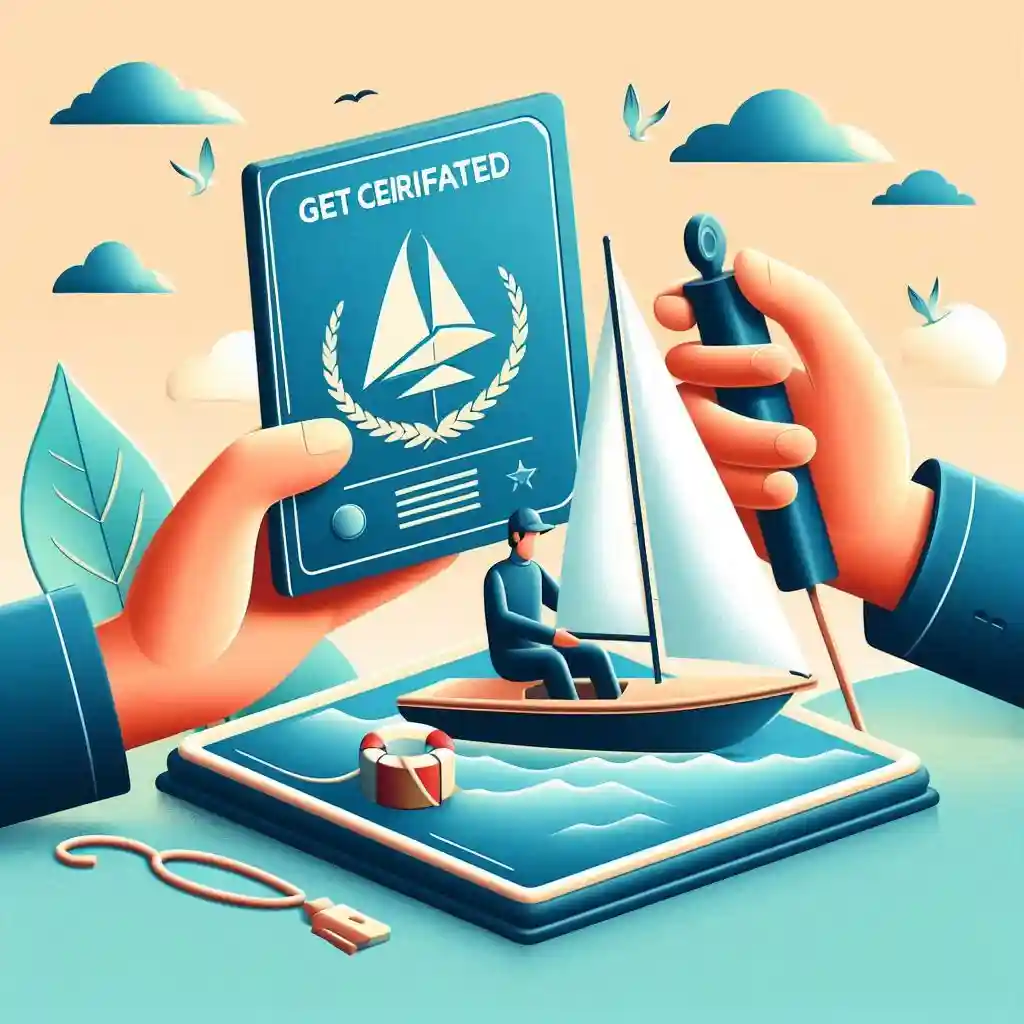
Introduction: How to Get Certified in Sailing?
Sailing is greater than a talent or a sport—it’s a notable manner to discover the extensive beauty of our oceans, lakes, and rivers. Whether you dream of gliding through tropical waters beneath billowing sails or navigating through a windswept bay, getting certified in sailing is the first step to making these desires a fact. For aspiring sailors, adventure fanatics, or even journey bloggers looking to broaden their horizons, sailing certification affords essential knowledge, sensible talents, and an international of opportunities.
But where do you start? What does it take to get certified, and why does it count number? This article will stroll you via the arena of sailing certifications—from information on the basics of sailing to selecting the right guides and exploring the perks of becoming licensed. By the stop, you will recognize the way to take the plunge and feel stimulated to start your sailing adventure.
Sailing Basics for Beginners
Before setting your attractions on certification, it’s vital to make yourself familiar with the essential aspects of sailing. Learning the fundamentals ensures you can comfortably start your schooling with a strong expertise of what lies beforehand.
Understanding Wind and Navigation
Sailing is all about harnessing the wind and the usage of its energy to transport it in a managed and functional manner. To start, you’ll want to discover ways to study wind patterns, function your sails efficiently, and become aware of windward (the direction the wind is coming from) as opposed to leeward (the path away from the wind).
Understanding navigation is equally essential—plotting your direction and appropriately guiding your boat from factor A to point B. Modern sailing is based on gear like GPS and nautical charts, however, beginners have to also study important abilities consisting of using a compass, reading buoys, or even celestial navigation for backup.
Introduction to Sailing Gear
Your sailing equipment is your pleasant pal on the water. While equipment can vary depending on boat length and reason, each sailor must be familiar with key necessities, such as:
- Sails – The engine of your boat is available in different sorts for exclusive purposes (e.g., mainsail, jib).
- Rigging – The ropes, cables, and chains that aid your sails.
- Life Jackets – A non-negotiable object for safety in case of emergencies.
- Weatherproof Clothing – To keep you warm or dry in varying climate conditions.
- Navigation Tools – Maps, compasses, binoculars, and virtual gadgets like GPS systems.
By mastering these basics, you will sense greater relatedness to the art of sailing and be better organized to begin formal training.
Sailing Certification: By the Numbers
- Global Sailing Certification Programs: 12 major organizations
- Annual Sailing Certifications:
- Worldwide: 45,000+
- United States: 18,500+
- Certification Levels:
- Basic: 65%
- Intermediate: 25%
- Advanced: 10%
- Average Certification Cost: $500-$2,500
- Time to Certification:
- Basic Level: 1-2 weeks
- Intermediate Level: 4-6 weeks
- Advanced Level: 8-12 weeks
Understanding Sailing Certification Paths
Major Certification Organizations
- American Sailing Association (ASA): Popular in the United States and beyond, ASA gives various guides for whole novices to done sailors.
- Most Popular in North America
- Comprehensive Certification Levels
- Recognized Internationally
- US Sailing: Based in only USA.
- Olympic-Level Training
- Competitive Sailing Focus
- Comprehensive Instructor Programs
- Royal Yachting Association (RYA): Based in the UK, RYA boasts certifications that are exceptionally reputable globally.
- Global Recognition
- Extensive Certification Levels
- Strong European Presence
👉Related Post: What is Divine Sailing? Magic Dreams Set Sail
How to Get Certified in Sailing: Step-by-Step Guide
Step 1: Choose Your Certification Path
Certification Levels Explained
- Basic Certification (Level 101-103)
- Fundamental Sailing Skills
- Basic Navigation
- Safety Procedures
- Intermediate Certification (Level 104-106)
- Advanced Boat Handling
- Coastal Navigation
- Weather Understanding
- Advanced Certification (Level 107-108)
- Offshore Sailing
- Advanced Navigation
- Comprehensive Safety Training
Step 2: Select a Certification Program
Choosing the Right Program
- Local Sailing Schools
- Community Colleges
- Dedicated Sailing Centers
- Online + In-Person Hybrid Courses
Step 3: Understand Certification Requirements
Typical Certification Prerequisites
- Minimum Age: 12-16 years
- Swimming Ability
- Physical Fitness
- Basic Water Comfort
Step 4: Course Components
What to Expect in Sailing Certification
- Classroom Instruction
- Practical On-Water Training
- Written Examinations
- Practical Skills Assessment
Detailed Certification Process
Classroom Learning
- Navigation Basics
- Maritime Rules
- Weather Interpretation
- Boat Systems
Practical Training
- Boat Handling
- Sailing Techniques
- Emergency Procedures
- Knot Tying
- Navigation Skills
Cost Breakdown of Sailing Certification
Certification Expenses
- Basic Course: $500-$1,000
- Intermediate Course: $1,000-$1,800
- Advanced Course: $1,800-$2,500
Additional Expenses
- Study Materials: $50-$150
- Equipment Rental: $100-$300
- Examination Fees: $75-$250
Preparing for Your Sailing Certification
Physical and Mental Preparation
- Swimming Lessons
- Fitness Training
- Water Confidence Exercises
- Study Maritime Terminology
Essential Equipment
- Appropriate Clothing
- Life Jacket
- Sailing Gloves
- Sunglasses
- Waterproof Notebook
Distinguishing Between Levels of Certification
Sailing certifications are regularly tiered, with each stage representing a boom in abilities and responsibilities. Here’s a typical breakdown:
- Beginner Certification (ASA 101, RYA Start Sailing) – Focuses on simple protection, terminology, and managing with confined supervision. Ideal for learners to sailing.
- Intermediate Certification (ASA 103/104, RYA Competent Crew) – Introduces more superior techniques, consisting of coastal navigation, anchoring, and reefing. This is nice proper for sailors assured in simple sailing.
- Advanced Certification (ASA 106/Advanced Coastal Cruising, RYA Day Skipper or Yachtmaster) – Covers offshore sailing, overnight passages, and complex navigation. These tiers are regularly necessary to skipper yachts and charter boats independently.
Deciding which qualification to pursue relies upon whether or not you’re seeking to skipper your boat, lease vessels at the same time as journeying, or develop a brand new hobby.
Related Post:
How to Get Certified in Sailing
You’re excited to get begun—but how precisely do you go approximately turning into a licensed sailor? Follow these steps to achieve your purpose.
Overview of Certification Courses
Sailing certification courses are supplied by faculties and clubs affiliated with predominant sailing companies just as the ASA or RYA. They commonly integrate study room coaching with palms-on exercises on the water. Here’s what to expect:
- Duration – Beginner-level publications are regularly completed over weekends, at the same time as intermediate and superior courses may additionally ultimate every week or more.
- Costs – Fees vary depending on the direction and area. Beginner certifications can be valued everywhere from $500 to $1,200. Advanced packages, however, might cost substantially extra.
- Curriculum – Topics range from safety protocols and knot-tying to navigation strategies and coping with climate modifications.
Tips for Choosing the Right Course
The proper program can make all the difference in your gaining knowledge of enjoyment and effects. Follow these recommendations to find your perfect match:
- Consider Your Goals – Are you trying to cruise with pals, skipper a charter yacht, or take part in regattas? Different target names for unique publications.
- Research Schools – Choose a good school with government approvals, licensed instructors, and superb opinions.
- Location Matters – Select a direction in a place suited to your climate and sailing pursuits (e.g., coastal, lake, or tropical environments).
- Group vs. Private Lessons – Group training is more low-cost and social, even as non-public instructions provide one-on-one steerage.
By considering those elements, you’ll be ready to start your certification with self-assurance.
Benefits of Sailing Certification
Still, thinking whether or not pursuing sailing certification is worth it? Here’s how it can undoubtedly impact your sailing experience and broader lifestyle.
Safety and Confidence on the Water
Sailing can be exhilarating, however, it’s not without dangers. With the right certification, you’ll learn critical safety strategies—from rescuing a man overboard to coping with surprising storms—and experience empowerment to deal with challenges with composure. Certified sailors also are more likely to fulfill minimal safety requirements for boat insurance and leases, including more layers of safety.
Frequently Asked Questions About How to Get Certified in Sailing
Q1: How long does it take to get certified in sailing?
A: Typically 1-2 weeks for basic certification, with advanced levels taking 8-12 weeks.
Q2: Do I need to own a boat to get certified?
A: No. Most certification programs provide training vessels.
Q3: What is the minimum age for sailing certification?
A: Most programs start at 12-16 years old, depending on the organization.
Q4: How much does sailing certification cost?
A: Costs range from $500 to $2,500, depending on certification level and program.
Q5: Are online sailing certifications valid?
A: Hybrid programs with online theory and in-person practical training are most recognized.
Career and Recreational Opportunities
For those with a passion for sailing, certification can open doorways to particular expert paths. Certified individuals can work as skippers, sailing teachers, or maybe deckhands on luxury yachts.
Beyond career possibilities, sailing presents a strong feel of network. By becoming a member of a local sailing club or participating in novice yacht racing, you’ll connect with like-minded fans and revel in meaningful camaraderie.
Professional Pathways
- Sailing Instructor
- Marine Tour Guide
- Yacht Crew
- Maritime Educator
Recreational Benefits
- Personal Skill Development
- Travel Opportunities
- Competitive Sailing
- Stress Relief
Statistics on Sailing
- Participation Rates: According to the National Marine Manufacturers Association, over 87 million Americans participated in boating sports in 2020.
- Sailing Growth: A recent survey indicated that sailing participation among kids has increased by way of 30% over the beyond decade.
- Safety Statistics: Research shows that sailors with formal schooling are 50% less likely to be involved in injuries.
Conclusion: Your Sailing Certification Journey
In the end, gaining knowledge of How to Get Certified in Sailing is a worthwhile journey that opens doorways to journeys and opportunities on the water. Whether you dream of racing at the excessive seas or leisurely cruising on weekends, certification is your first step towards making the ones goals a reality.
How to get certified in sailing is more than a technical process—it’s about embracing a lifestyle of adventure, learning, and maritime passion.
Where water meets possibility, your journey begins.
Sailing Certification Wisdom:
- Stay curious
- Respect the ocean
- Never stop learning
- Embrace the adventure
Fair Winds and Following Seas!


