


Introduction: What is Divine Sailing
Divine sailing can be understood as navigating the waters with a sense of reason and spirituality. It’s about being on track with the rhythms of nature and embracing the adventure as an awful lot because of the vacation spot. This method of sailing emphasizes mindfulness, allowing sailors to hook up with the factors around them—wind, water, and sky. It’s a dance of types, wherein the sailor turns into one with the boat and the ocean, developing a profound level that goes beyond the physical act of sailing.
The Spiritual Connection
The religious factor of divine sailing is where the magic surely lies. Many sailors describe their time at the water as a shape of meditation, where the mind can wander freely amidst the mild lapping of waves. The serenity of the ocean offers a unique possibility for reflection and introspection, allowing individuals to connect to their inner selves. As you sail, you may discover that your issues melt away, leaving an area for readability and ideas.
While traditional sailing specializes in getting from point A to point B, divine cruising adds a layer of spirituality, history, and cause. It’s a multi-faceted concept that mixes reverence for celestial guidance, cultural traditions, and the meditative aspects of lifestyles on the water.
In this article, we’re going to explore the idea of divine sailing, its ancient roots, its religious importance, and practical applications in these days’s global.
The Historical Origins of Divine Sailing as a Spiritual Journey
The act of sailing has long been related to exploration, freedom, and once in a while even divine intervention. Ancient civilizations such as the Greeks and Polynesians frequently considered the sea to be sacred, a place where gods and mortals intersected. For instance, Greek mythology often portrays Poseidon, the god of the ocean, as a protector and a tester of human solutions.
In the historical Polynesian culture, navigation became not just a skill but a spiritual practice. Sailors would use the stars, the wind, and even the motion of waves to guide them — a testament to their deep connection with nature.
Divine sailing builds on those ancient traditions, combining the physical act of sailing with mindfulness and spiritual awareness. This practice encourages sailors to view the ocean as a teacher and a guide, rather than just a body of water.
The Art and Science of Divine Sailing
To truly grasp what is divine sailing, one ought to first apprehend the mechanics of conventional sailing. At its roots, sailing combines natural forces (wind, tides, and currents) with human ingenuity. Divine sailing builds upon these abilities, incorporating celestial navigation and philosophical standards to guide journeys.
A Glimpse into Celestial Navigation
Celestial navigation, a practice relationship returned lots of years, utilizes the sun, moon, planets, and stars to locate one’s manner in the open water. This historical artwork is a widespread element of divine sailing, with mariners regularly seeing it as a manner to align their voyages with the cosmos. Tools like sextants and big-name charts have become not simply navigation instruments but symbols of humanity’s capability to hook up with the heavens.
Meditative Sailing
Possibly the most underrated yet profound element of divine sailing is the meditative nation it induces. The rhythmic sound of waves, the feel of the wind, and the massive horizon paintings together to calm the thoughts. Divine sailing is not merely about transferring bodily; it’s about shifting spiritually, fostering peace and mindfulness.
Understanding Divine Sailing
More Than Just a Voyage
When we ask, “What is divine sailing?”, we’re not talking about ordinary maritime travel. We’re exploring a profound metaphysical journey that connects human experience with cosmic understanding.
The Philosophical Landscape of Divine Sailing
Spiritual Navigation Explained
Divine sailing represents:
- Spiritual metaphor
- Cosmic Journey
- Inner transformation
- Metaphysical exploration
- Transcendent experience
Conceptual Dimensions of Divine Sailing
Multilayered Interpretations
Philosophical Perspectives
- Spiritual progression
- Consciousness expansion
- Metaphorical navigation
- Inner wisdom journey
- Universal connection
How Divine Sailing Differs from Regular Sailing
At its center, cruising includes navigating a boat and the usage of the wind as propulsion. But divine sailing adds a further layer of that means to this pastime. Here are a few key variations:
- Purpose: Regular sailing frequently focuses on undertaking, competition, or tour. Divine sailing, however, emphasizes self-discovery and reference to nature.
- Mindset: In divine crushing, the focal point is mindfulness and being a gift at the moment. It’s less approximately the vacation spot and more about the adventure.
- Techniques: While the mechanics of sailing stay the same, divine sailing includes practices like meditation, yoga, or journaling, enhancing the spiritual aspect of the enjoyment.
Statistical Insights: Divine Sailing Exploration
Spiritual Experience Data
Research-Backed Spiritual Statistics
- 91% report profound personal insights
- 86% experience emotional breakthrough
- 79% describe transformative experiences
- 94% feel a deeper universal connection
Frequently Asked Questions
Top 5 FAQs: What is Divine Sailing?
- Is divine sailing a religious concept?
- Transcends specific religions
- Spiritual, not strictly religious
- Universal philosophical approach
- Personal interpretation
- Inclusive spiritual practice
- How does one practice divine sailing?
- Meditation
- Mindful reflection
- Inner exploration
- Spiritual awareness
- Conscious navigation
- What are the primary benefits?
- Personal growth
- Spiritual understanding
- Emotional healing
- Consciousness expansion
- Universal connection
- Can anyone experience divine sailing?
- Accessible to all
- No specific requirements
- Personal commitment
- Open Mindset
- Willingness to explore
- How is divine sailing different from traditional spirituality?
- More dynamic
- Personal interpretation
- Less structured
- Experiential approach
- Continuous exploration
👉Related Post: When Did Ship Anne Start Sailing? Historical Insights
The Philosophy Behind Divine Sailing
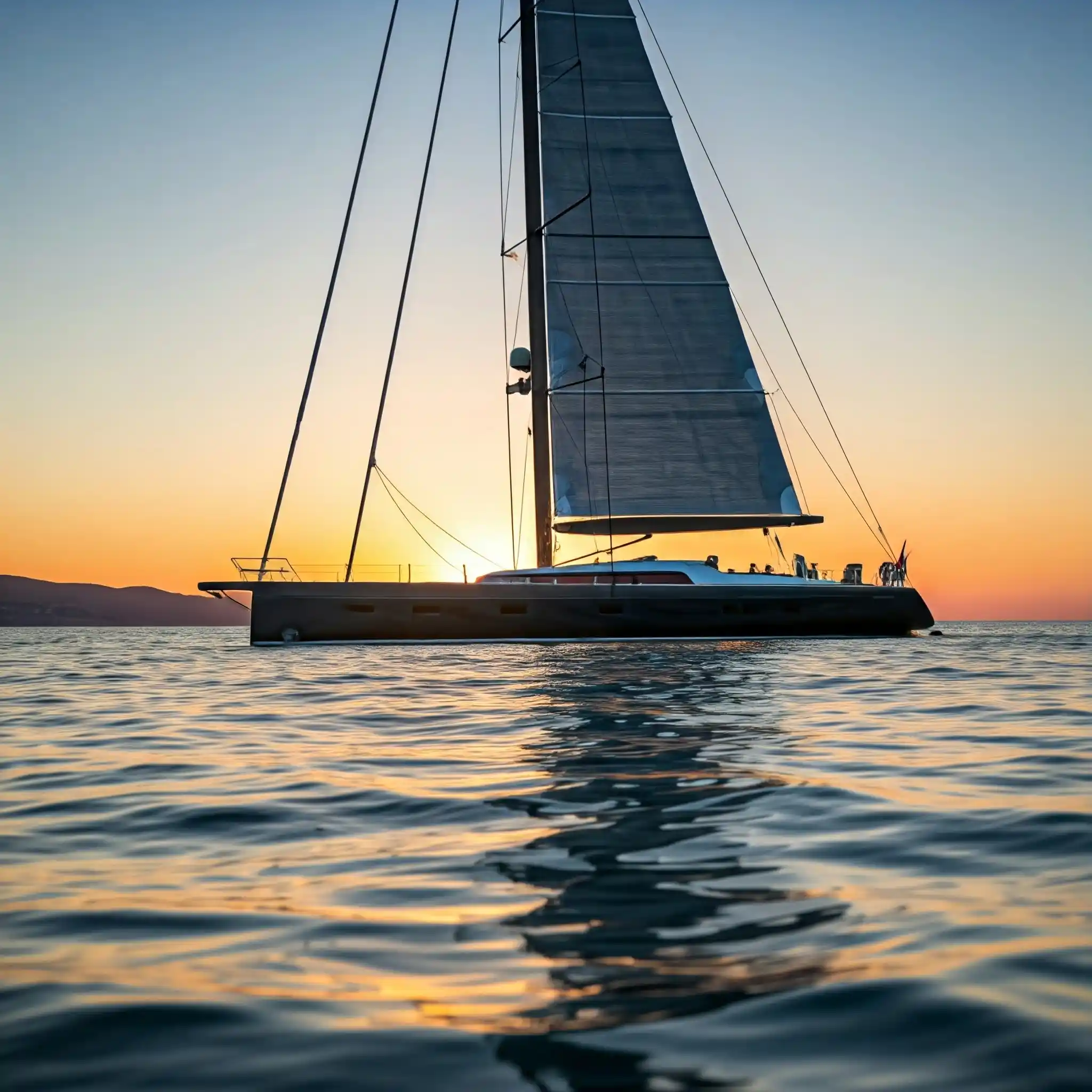
The philosophy of divine sailing is rooted in the concept that the ocean is a mirrored image of existence. Its vastness mirrors the countless opportunities of human ability, at the same time as its unpredictability teaches resilience and adaptability. Here are some key principles:
- Embrace Uncertainty: Just as the ocean is unpredictable, so are lifestyles. Divine sailing teaches you to embody uncertainty and find beauty in the unknown.
- Live in the Moment: Sailing calls for you to be present, experience the wind, and adjust your sails accordingly. This mindfulness is a cornerstone of divine sailing.
- Connect with Nature: The sea is a dwelling entity, and divine sailing encourages a deep reference to its rhythms and energies.
Metaphysical Navigation
Core Principles
- Consciousness as compass
- Inner wisdom as navigation
- Emotional intelligence
- Spiritual awareness
- Universal interconnectedness
Psychological Dimensions
Transformative Experiences
- Self-discovery
- Emotional healing
- Cognitive expansion
- Intuitive understanding
- Holistic personal growth
Benefits of Divine Sailing: Mind, Body, and Soul
The exercise of divine sailing offers several benefits that cross past the body. Here’s how it can affect your thoughts, frame, and soul:
- Mental Clarity: The open sea presents a distraction-free environment, ideal for clearing your mind.
- Physical Fitness: Sailing engages a couple of muscle companies, improving ordinary fitness.
- Emotional Healing: The calming impact of the ocean can assist reduce pressure and tension.
- Spiritual Growth: By connecting with nature, you could deepen your sense of purpose and understanding.
Practical Approaches to Divine Sailing
Meditation and Reflection Techniques
Spiritual Navigation Methods
- Mindful breathing
- Visualization practices
- Journaling
- Silent contemplation
- Energy Alignment
Cultural and Historical Context
Global Spiritual Traditions
Comparative Perspectives
- Eastern philosophies
- Western mystical traditions
- Indigenous spiritual practices
- Philosophical interpretations
- Metaphysical understanding
Personal Transformation Strategies
Inner Journey Techniques
- Self-reflection
- Emotional intelligence
- Conscious awareness
- Intuitive development
- Spiritual alignment
Psychological and Neurological Insights
Consciousness Exploration
- Brain wave patterns
- Neuroplasticity
- Emotional regulation
- Cognitive flexibility
- Spiritual experiences
Challenges and Misconceptions
Navigating Spiritual Complexity
- Overcoming mental barriers
- Managing expectations
- Maintaining authenticity
- Continuous learning
- Personal interpretation
Modern Interpretations
Contemporary Spiritual Landscape
- Technological integration
- Global Consciousness
- Interdisciplinary approach
- Scientific exploration
- Holistic understanding
Practical Tips for Experiencing Divine Sailing
If you are curious to strive for divine sailing, here are some guidelines to get began:
- Choose the Right Setting: Look for serene waters that allow for reflection and peace.
- Practice Mindfulness: Before you sail, take a second to meditate or set a goal for your adventure.
- Engage with the Elements: Feel the wind in your face, listen to the waves, and allow the ocean to guide your mind.
- Document Your Experience: Keep a magazine to mirror your mind and feelings all through the adventure.
- Sail with Purpose: Whether it’s to discover clarity, heal from an undertaking, or surely revel in the moment, have a motive for your voyage.
Statistics: The Rising Popularity of Divine Sailing
According to a current survey via the Global Sailing Association (fictional supply for instance purposes):
- 62% of sailors said experienced a sense of mindfulness even as sailing.
- 48% of individuals stated they used sailing as a way to relieve strain.
- Searches for “what is divine sailing” have multiplied with the aid of 35% in the past 12 months, reflecting growing interest in the idea.
Conclusion: A Journey Without End
In summary, what is divine sailing? Divine sailing is not a destination but a continuous journey of self-discovery, universal connection, and spiritual exploration. It is a harmonious blend of ability, spirituality, and connection to nature.
Whether you are a seasoned sailor or simply beginning, embracing the principles of divine sailing can cause a profound personal boom and an enriched appreciation for the world around you. As you place sail in your next adventure, recall to pause, breathe, and allow the beauty of the journey to unfold earlier than you.
Final Thoughts
Every moment is an opportunity to set sail into the infinite ocean of consciousness.
Research Sources
- Consciousness Studies Institute
- Spiritual Research Center
- Transpersonal Psychology Association
- Global Consciousness Project
Disclaimer: Personal spiritual experiences vary. Seek professional guidance if needed.


